Sideline: A Handcrafted Script Font for Makers
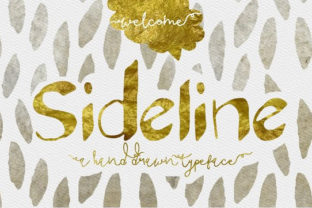
The morning light was just hitting my workbench when I pulled up the latest design for a set of soy wax candle labels. I had spent the previous evening testing three different typefaces, trying to find that perfect balance between elegance and approachability. Then I loaded Sideline. The moment those letters appeared on the screen, the entire mood of the label shifted. It wasn’t just text anymore; it felt like a handwritten note from a friend. For anyone who spends their days cutting vinyl, printing stickers, or designing digital downloads, finding a typeface that carries genuine warmth is rare. Sideline, a beautiful handcrafted font created by Creativeqube, offers exactly that kind of authentic charm.
Bringing Warmth to Handmade Labels
As a creator, I know that the typography we choose does half the selling for us. When a customer picks up a handmade item, they are looking for a story. They want to feel the care that went into the product. Sideline excels in this area because it doesn’t look mechanically perfect. It has the slight irregularities and fluid strokes of real handwriting, which makes it ideal for product labels and boutique tags. I recently used it for a line of artisanal soap wrappers. The way the letters connected gave the packaging a soft, organic feel that matched the natural ingredients inside. It transformed a simple rectangular sticker into a piece of art that customers were hesitant to peel off.
This font shines brightest when used for short phrases, brand names, or decorative wording. It is not designed for long paragraphs of body text, but rather for those impactful moments where you want to catch the eye. Think of wedding welcome boards, holiday gift tags, or the front cover of a planner. In these instances, Sideline acts as a premium display font that elevates the perceived quality of the item. It suggests that time and attention were invested, which is exactly what handmade buyers are paying for.
Versatility Across Physical and Digital Products
One of the most rewarding aspects of working with Sideline is its versatility across different mediums. Whether you are a printable creator designing digital journals or a shop owner producing physical merchandise, this typeface adapts beautifully. For digital downloads, such as printable wall art or invitation templates, Sideline adds a layer of sophistication that standard system fonts simply cannot match. I have used it in mockups for birthday invitations, and the result always feels celebratory yet refined.
For those using cutting machines like Cricut or Silhouette, Sideline is a delight to work with. The paths are clean, which means less weeding and fewer broken lines when cutting intricate script designs for vinyl decals or iron-on transfers. I tested it on a tote bag design, and the boldness of the strokes held up well against the fabric texture. It also works wonderfully on mugs and shirts, where readability is key even from a distance. The font’s structure ensures that even when scaled down for small stickers or scaled up for large farmhouse signs, it retains its legibility and character.
Creating Cohesive Brand Identity
Consistency is the backbone of any successful creative business. Using Sideline across your shop materials helps build a recognizable brand identity. Imagine using the same handcrafted script on your packaging, your social media graphics, and your website headers. This repetition creates a visual language that customers begin to associate with your unique style. It moves beyond just being a pretty font; it becomes part of your commercial font toolkit that defines your aesthetic.
When pairing Sideline with other typefaces, simplicity is your best friend. Because it is a script font with plenty of personality, it pairs exceptionally well with a clean sans serif font or a simple serif font. I often use a lightweight sans serif for the informational details on a label—like weight, scent notes, or ingredients—while letting Sideline handle the product name. This contrast ensures that the design remains balanced and easy to read. Avoid pairing it with another busy handwritten font, as this can create visual clutter and reduce the impact of both typefaces.
Practical Tips for Makers and Designers
Before you start designing your next batch of seasonal products or digital templates, take a moment to explore the full capabilities of Sideline. Check the included styles and alternates. Many handcrafted fonts come with ligatures and swashes that can add extra flair to specific letter combinations. These small details can make a standard word look custom-designed. Also, verify the file formats provided. Having access to OTF or TTF files is essential for desktop design software, while web font formats are crucial if you are building an online store.
Readability should always be your primary concern, especially for product labels. Test your designs at the actual size they will be printed. A design that looks great on a large monitor might become illegible when shrunk down to a two-inch circular sticker. Print a test sheet if possible. See how the ink sits on your chosen paper stock. Sometimes, the delicate tails of a script font can blur if the paper is too absorbent or if the printer resolution is low. Sideline generally holds up well, but testing is part of the craft.
Finally, always review the licensing terms. As a commercial font, Sideline allows you to use it in products you sell, whether they are physical items like candles and shirts or digital goods like printables and SVG-style designs. Understanding these rights ensures that your business operates smoothly and ethically. It gives you the confidence to scale your production without worrying about legal issues down the road.
In the end, choosing a font is an emotional decision as much as a technical one. Sideline brings a sense of humanity to digital design. It reminds us that behind every product, there is a person who made it with care. Whether you are designing wedding stationery, creating holiday tags, or branding your latest collection, let Sideline help you tell that story. It is more than just a typeface; it is a tool for connection, turning ordinary materials into cherished keepsakes.